Removing office kit from Harold Park Industrial Estate: a practical guide for smooth, safe office clearance
If you are removing office kit from Harold Park Industrial Estate, you are probably juggling more than boxes and chairs. There may be desks to dismantle, IT equipment to protect, filing to sort, and a tight handover deadline hanging over everything. Truth be told, that is usually where the stress starts. One missing cable, one forgotten cabinet key, one lift that is too small for a credenza, and the whole day can feel off-track.
This guide breaks the process down in a clear, local, no-nonsense way. You will find out what office kit removal actually involves, how it works in practice, what to prepare before the van arrives, and which mistakes can turn a simple move into a slow, expensive headache. We will also look at safety, compliance, packing, storage, and the best next step if you want help from a local team. If you are comparing service options, it may also help to look at the wider removal services overview and the dedicated office removals in Harold Park page for context.
Whether you are clearing a small unit, relocating a few workstations, or removing surplus equipment from a shared business space, the goal is the same: get everything out safely, leave the site in good order, and keep business disruption as low as possible. Simple in theory. A bit more involved in real life.
Why Removing office kit from Harold Park Industrial Estate Matters
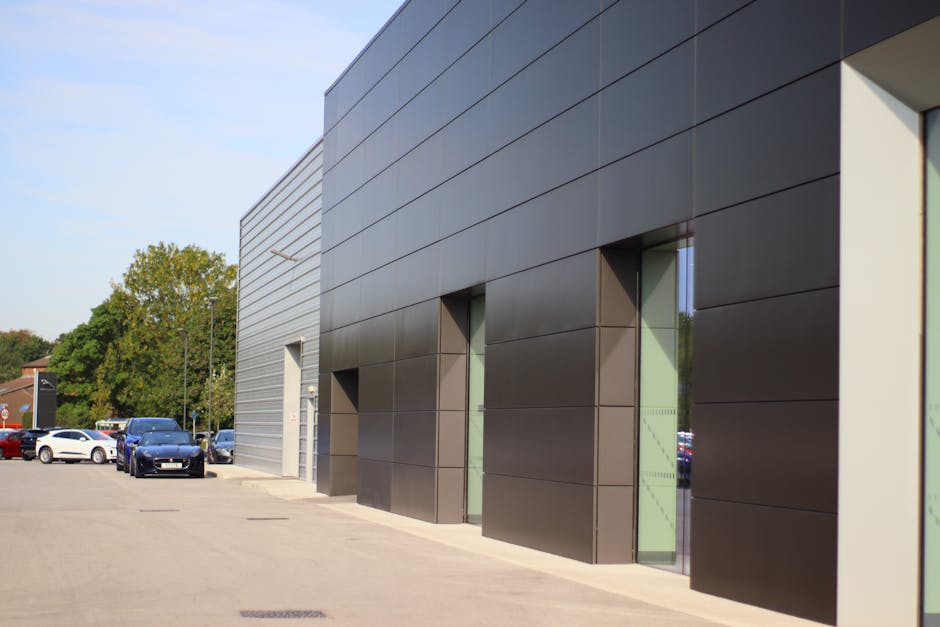
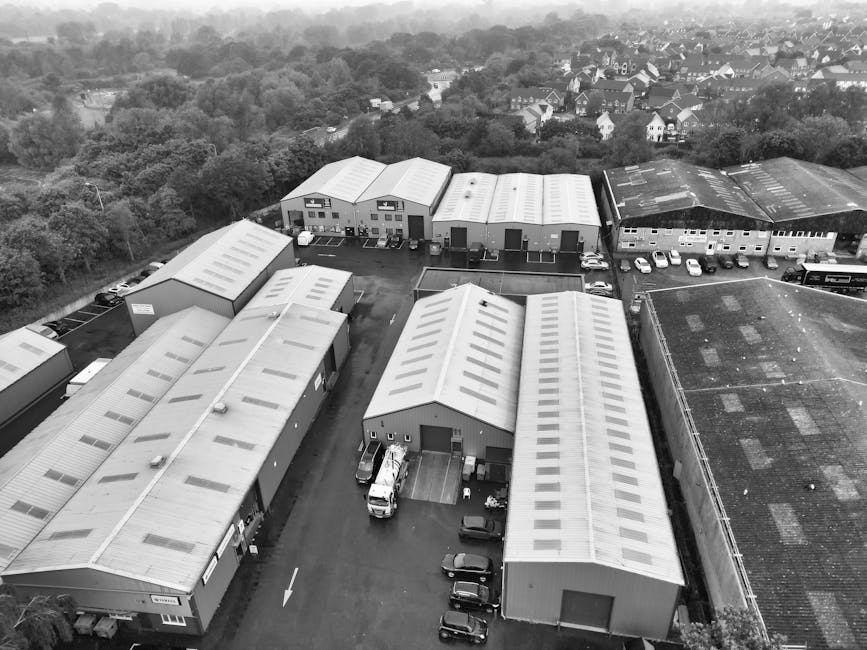
Office kit removal is not just a tidy-up job. It is a controlled process for moving, clearing, recycling, or disposing of business items in a way that protects people, property, and time. At Harold Park Industrial Estate, where businesses often share access routes, loading areas, and parking constraints, the difference between a well-planned clearance and a rushed one is often very visible.
Office kit can include desks, office chairs, filing cabinets, monitors, printers, telecoms kit, shelving, meeting tables, storage units, small appliances, and even specialist equipment. Some items are light but awkward. Others are heavy, expensive, or fragile. A lot of them are all three at once, which is always fun. Not really.
There are a few reasons this matters so much:
- Operational continuity: if you are downsizing or relocating, the move should not stop people from working longer than necessary.
- Safety: bulky items, trailing cables, and stacked archive boxes can cause slips, strains, and damage.
- Asset recovery: reusable furniture or equipment can often be relocated, sold, donated, or stored.
- Compliance and goodwill: a proper clearance helps you hand back a unit cleanly and professionally.
- Cost control: sorting items early usually reduces wasted labour, storage, and disposal costs.
If your clearance includes furniture or awkward items, the principles are similar to a standard business move. The guidance on furniture removals in Harold Park can be useful, especially when desks, cabinets, or boardroom tables need careful handling rather than rough lifting.
Expert summary: the best office kit removal is not the fastest one on paper, it is the one that is planned, labelled, lifted safely, and finished without a scramble at the end.
How Removing office kit from Harold Park Industrial Estate Works
In practical terms, the process usually starts with a survey or at least a clear item list. That sounds basic, but it makes a huge difference. A reception desk, two pedestal drawers, six ergonomic chairs, a shredder, a network cabinet, and ten box files all behave differently on moving day. You need to know what is going, what stays, and what must be recycled or disposed of.
Most office kit removals follow a pattern:
- Review the scope: identify the items to be removed and anything sensitive, fragile, or time-critical.
- Check access: loading bay access, lift size, stair routes, parking, and any estate rules all need checking in advance.
- Protect data and assets: equipment with drives, memory, or confidential paperwork needs extra care.
- Prepare the items: disconnect power, remove loose contents, tape drawers shut, and dismantle furniture where needed.
- Load safely: use proper lifting technique, trolleys, blankets, straps, and a sensible loading order.
- Dispose or deliver: items are either taken to a new site, a storage unit, or an approved recycling route.
- Final sweep: check for screws, cables, labels, and any items accidentally left behind.
At a place like Harold Park Industrial Estate, timing matters. Many industrial estates have busier access at certain times of day, and if you are using a shared yard, everyone benefits from a narrow, coordinated window rather than a loose one. If your move needs to happen quickly, a same-day option can sometimes be the difference between a neat exit and a messy overrun; see same-day removals in Harold Park for a realistic sense of what urgent support can cover.
For smaller loads, a man with a van in Harold Park or a flexible man and van service can be practical. For a larger clearance, you are better looking at an organised removal van in Harold Park with the right equipment and enough space for multiple bulky items.
Key Benefits and Practical Advantages
The obvious benefit is that the office is cleared. But the deeper advantages are often the ones people feel later, when they are not dealing with avoidable problems. To be fair, that is usually the real value.
1. Faster handover
Landlords, facilities teams, and outgoing tenants all prefer a space that is cleared in a way that looks deliberate. A tidy final state helps avoid awkward back-and-forth about leftover items.
2. Lower risk of damage
Heavy cabinets, glass-fronted furniture, and monitor arms can damage walls, doors, or lifts if they are moved badly. A planned removal protects the building as much as the kit.
3. Better asset management
Not every item should be thrown away. Some office furniture can be reused, and some hardware may be redeployed in another branch or stored for later. If you are between locations, storage in Harold Park can give you breathing room while you decide what stays and what goes.
4. Cleaner data handling
Old office kit often contains documents, login details, hard drives, labels, or invoices tucked into drawers. Clearing it properly reduces the risk of information being left behind in a dusty cabinet for months. Not ideal, that.
5. Better staff experience
Staff tend to cope better when the process is orderly. Nobody enjoys a last-minute scramble with a trolley and a roll of tape while someone keeps asking where the monitor leads went.
For teams packing up multiple items, it can also help to read practical guidance on smart packing habits for a successful move and decluttering tips for a stress-free move. Both are more useful than they sound at first glance.
Who This Is For and When It Makes Sense
This service and process can suit a few different situations. Some are obvious, some less so.
- Businesses relocating to a new unit: office kit may need moving, not disposing of.
- Companies downsizing: surplus furniture and equipment often need sorting into keep, recycle, donate, and dispose piles.
- End-of-lease tenants: leaving behind items can create expensive complications later.
- Start-ups refreshing a workspace: a small team may want to replace mismatched furniture and old hardware in one go.
- Facilities managers: when an office suite needs a controlled clear-out, external help keeps the team focused on the bigger picture.
- Landlords and managing agents: a clear, documented removal makes reinstatement work easier to schedule.
It also makes sense when the items are just awkward. That includes drawer units filled with paperwork, conference tables that will not fit through the corridor, or stacked filing cabinets that should never have been stacked in the first place. We have all seen that moment where someone says, "it'll be fine if we just tilt it a bit." Usually, that is the warning sign.
If your move involves a mix of business and personal effects, or it overlaps with a residential transition, the advice in this stress-free house moving guide may also help you plan the day in a calmer way.
Step-by-Step Guidance
Here is a practical workflow that works well for most office kit clearances. Keep it simple and you are far less likely to miss something important.
1. Walk the space first
Look at what is actually there, not what you think is there. Open cabinets, check under desks, inspect meeting rooms, and note anything fixed or partially installed. A five-minute walk-through often saves an hour later.
2. Create a clear inventory
List items by category: desks, chairs, screens, storage, IT, archive boxes, small appliances, and waste. If you are keeping, moving, or storing some items, mark them clearly. A simple spreadsheet or printed sheet is usually enough.
3. Separate confidential and non-confidential materials
Do this early. Paper archives, hard drives, memory cards, and label stock should not be mixed with general waste. If in doubt, keep sensitive material aside and deal with it separately.
4. Disconnect and secure equipment
Power down devices properly, unplug safely, and bundle cables. Label monitor leads, chargers, and docking stations if they are being reused. It sounds fiddly, but fiddly is better than losing a whole morning to a cable hunt.
5. Dismantle only what needs dismantling
Flat-pack style desks, shelving, and modular workstations may need partial dismantling. Keep fixings in labelled bags taped to the relevant item. If something is heavy or top-heavy, do not guess. Get help.
6. Protect routes and loading points
Use floor protection where needed, especially if you are moving through shared entrances, lifts, or corridors. In a busy industrial estate, a muddy wheel or chipped door frame can cause a lot of friction for a small oversight.
7. Load in the right order
Heavier items should go in first, with lighter and more fragile items protected around them. Mark anything that must stay upright. This is one of those boring details that saves a lot of damage.
8. Do a final sign-off
Once the van is loaded, do a final room-by-room check. Look in drawer pedestals, under tables, inside cupboard tops, behind printers, and in the odd hidden corner where things always seem to gather. Then close the loop with whoever is receiving the space.
If you want help with the lifting side of things, this heavy lifting guide is a good reminder of why technique matters more than bravado.
Expert Tips for Better Results
Small improvements make a big difference with office kit removal. Here are the habits that consistently pay off.
- Use colour coding: one colour for keep, one for move, one for recycle, one for dispose. It keeps everyone aligned at a glance.
- Photograph set-ups before dismantling: especially useful for desks, screens, and network areas where reassembly matters.
- Keep a hardware pouch: screws, brackets, Allen keys, and shelf pins should live in one labelled bag per furniture item.
- Book the right vehicle size: too small means multiple trips; too large can be awkward in tight estate access.
- Plan around building activity: lunch breaks, deliveries, and peak staff movement can make a simple move feel much harder than it needs to be.
- Use proper lifting aids: trolleys, blankets, straps, and ramps are not optional extras when items are bulky.
One thing people often forget is the emotional side of an office clear-out. That old storage cabinet in the corner may not look special, but it might hold years of project files, spare toner, and the sort of stationery everyone secretly hoards. A little patience helps. So does not rushing staff who are trying to label everything at once.
For packing discipline, the guide on smart packing habits is genuinely worth a read. If you have ever opened a box and found a monitor stand on top of a tax folder, you will know why.
Common Mistakes to Avoid
Most issues with office kit removal are preventable. They usually happen because the team is trying to save a bit of time and ends up spending more time later. Classic.
Leaving sorting until moving day
If nobody has already decided what stays, what goes, and what needs disposal, the removal team gets slowed down immediately.
Ignoring access restrictions
Low door frames, tight stairwells, restricted parking, and shared lift bookings can turn a straightforward move into an awkward puzzle.
Overloading people instead of planning the load
Two confident staff members can move a surprising amount. They should not be expected to move everything. That is how strain injuries happen.
Mixing waste with reusable stock
Once items are mixed, useful furniture can become waste by accident. That is a costly mistake and, frankly, a bit sad when the item could have been reused.
Forgetting about data and security
It is easy to focus on desks and forget the drawer full of old USB drives, printed client notes, or a laptop dock still signed into an account.
Not planning the end state
Do you need the space swept, emptied, photographed, or signed off? Without a clear finish line, jobs tend to drift.
If you are planning a broader business move, the advice in this pre-move cleaning guide can help you leave the site in better condition, even if it is an office rather than a home.
Tools, Resources and Recommendations
You do not need a warehouse full of gear to remove office kit properly, but you do need the right basic tools. If the removal looks simple and the kit is light, good. If it starts to look like a mini refurb, you will want more support.
| Tool or resource | Best use | Why it helps |
|---|---|---|
| Furniture dolly or trolley | Moving cabinets, printers, and awkward items | Reduces strain and improves control |
| Removal blankets | Protecting desks, screens, and doors | Minimises scuffs and edge damage |
| Straps and tie-downs | Securing loads inside the van | Stops items shifting in transit |
| Labels and marker pens | Sorting keep, move, recycle, and dispose items | Makes the process much clearer for everyone |
| Document sacks or secure boxes | Confidential papers and archive material | Supports safer handling and cleaner sorting |
| Rubble sacks / waste sacks | General office waste and loose packaging | Keeps the site tidy during the move |
For larger or mixed loads, it is sensible to compare local support options rather than trying to make every job fit one model. A reliable removal company in Harold Park can coordinate more complex jobs, while a smaller team might only need a practical man with a van approach. The right choice depends on access, volume, and how much handling the kit needs.
If you are collecting quotes, the pricing and quotes page is the sensible place to start. It is usually better to ask a few detailed questions upfront than to discover on the day that the lift is too small for the cabinet you forgot to mention.
Law, Compliance, Standards, or Best Practice
For office kit removal in the UK, the main point is not to overcomplicate it, but to respect the basics: safe handling, responsible disposal, and proper treatment of any data-bearing equipment. Exact obligations can vary depending on the items involved, the type of business, and whether you are disposing of waste, transferring equipment, or storing it.
A few good-practice points are worth keeping in mind:
- Confidential material: paper records and digital devices should be handled so information is not left exposed.
- Waste separation: reusable items, recyclable materials, and general waste should not be dumped together if you can avoid it.
- Manual handling: follow sensible lifting practices, use team lifts where needed, and do not let pride get in the way of safety.
- Insurance and risk control: check what cover applies before a move starts, especially if the kit is valuable or fragile.
- Site rules: industrial estates often have their own access, parking, and loading expectations. Respect them, because it saves everyone a headache.
For reassurance on safety matters, it helps to read a provider's insurance and safety information alongside the health and safety policy. Those pages give a clearer picture of how a responsible removal process should be managed.
Environmental handling matters too. If your office kit includes furniture that can be reused or materials that should be recycled, the recycling and sustainability page is useful background. In plain English: not everything needs to go to waste, and a decent clearance plan should reflect that.
Options, Methods, or Comparison Table
There is more than one way to remove office kit from an industrial estate. The right method depends on volume, urgency, and how much coordination you want to handle yourself. Here is a simple comparison.
| Method | Best for | Strengths | Trade-offs |
|---|---|---|---|
| Self-managed removal | Very small loads and simple furniture | Lower upfront spend, full control | More labour, more risk, more time needed |
| Man and van support | Moderate loads, short-notice clearances | Flexible, practical, good for local moves | May need good planning for larger items |
| Full office removal service | Larger clearances and mixed office kit | Better coordination, safer handling, less disruption | Usually costs more than doing it yourself |
| Storage-led removal | Temporary overflow or phased relocations | Useful when decisions are not final | Storage adds an extra step and ongoing cost |
A simple rule of thumb: if you only have a few boxes and one small desk, a lighter-touch option may be enough. If you are dealing with mixed furniture, IT kit, and deadlines, a more structured service is usually worth it. In our experience, the "cheap and cheerful" approach can become oddly expensive when someone has to go back for the missing monitor stand or the cabinet key that was left in a drawer.
Case Study or Real-World Example
Here is a realistic example based on a common kind of clearance. A small design business at Harold Park Industrial Estate needed to vacate a unit at short notice after taking a new workspace elsewhere. The office kit included six desks, swivel chairs, two storage cabinets, several monitors, a printer, archive boxes, and a meeting table that would not fit through the corridor in one piece.
The team started by labelling everything into three groups: relocate, store, and clear. Staff backed up data, removed personal belongings from desks, and separated paper files that needed secure handling. The removal crew then dismantled the table, wrapped the screens, protected the route with floor coverings, and loaded the van in a careful sequence so the heaviest items sat low and secure.
The important part was not dramatic. It was simply well organised. No one was scrambling to find screws. No one was lifting a cabinet on their own. The handover was cleaner, and the team could walk away without that horrible feeling of, "Did we forget something?"
If the same business had tried to do it in a rush, it would likely have involved at least one damaged wall, a few strained backs, and a lot of muttered complaints in the car park. Better to avoid that. Every time.
For a similar sense of how local movers handle furniture and equipment, the safe moving guide for beds and mattresses is surprisingly relevant because the principles of protecting large items are the same.
Practical Checklist
Use this checklist before the removal team arrives. It keeps the day calmer than you might expect.
- Confirm exactly which office items are being removed.
- Mark items to keep, move, store, recycle, or dispose.
- Back up and secure any data on devices or drives.
- Remove personal belongings, paperwork, and valuables from desks and cabinets.
- Check access routes, parking, lifts, and loading restrictions.
- Label cables, hardware, and fixings for reassembly.
- Book the correct vehicle and enough crew for heavy items.
- Protect walls, floors, and door frames where needed.
- Separate confidential waste from general waste.
- Arrange storage if the final decision on some items is not yet made.
- Do a final room-by-room sweep before sign-off.
- Keep contact details for the site manager or keyholder handy.
If you are dealing with a larger property move alongside the office kit, the guides on house removals in Harold Park and flat removals in Harold Park may also help you think through the order of operations. Different setting, same principle: plan first, move second.
Conclusion
Removing office kit from Harold Park Industrial Estate is easiest when you treat it as a managed project, not a last-minute lift-and-load job. Once you know what is being removed, what must be protected, and how the site works, the whole process becomes much more predictable. That is the real win.
A good clearance protects people, preserves useful assets, supports reuse and recycling, and helps you leave the estate in good shape. It also gives you something valuable at the end: a clean finish without the usual moving-day scramble. And that, honestly, is worth a lot.
If you are comparing support options, a local team with the right vehicle, packing know-how, and safety approach can save time and a fair amount of stress. You do not need drama. You need a clear plan, sensible lifting, and a crew that knows the difference between "careful" and "just about okay."
Get a free quote today and see how much you can save.
When the last box is out and the room is quiet again, that small moment of relief really does matter.
Frequently Asked Questions
What does removing office kit from Harold Park Industrial Estate usually include?
It usually covers desks, chairs, filing cabinets, shelves, meeting tables, monitors, printers, cables, paperwork, and other office contents that need to be moved, stored, recycled, or disposed of. Some jobs also include dismantling and basic clearing of the space afterwards.
Can office kit be removed the same day?
Yes, sometimes it can, especially if the load is modest and access is straightforward. Same-day removal is more realistic when the items are already sorted and the site can be accessed without delays. Larger or more complex clearances usually need more planning.
Do I need to dismantle office furniture before removal?
Not always. Smaller items may move as they are, but desks, shelving, and larger modular units often need partial dismantling to get through corridors, doors, or lifts safely. A good removal team will advise what should be taken apart and what can stay intact.
What should I do with old office computers and hard drives?
Any device that stores data should be handled carefully. Back up anything needed, then make sure the data is removed or protected before disposal or reuse. If you are unsure, keep those items separate and ask for guidance rather than mixing them with general office waste.
How do I know whether to store or dispose of office kit?
Ask whether the item is likely to be reused, sold, donated, or needed at another site. If you are not sure yet, short-term storage can be a sensible middle ground. If the item is damaged, obsolete, or taking up space you genuinely need, disposal or recycling may be the better route.
What is the best way to avoid damage during an office clearance?
Protect routes, use blankets and straps, label items clearly, and avoid rushing heavy lifts. Damage often happens when people try to move awkward furniture without the right equipment or enough help. A little preparation goes a long way.
How much does office kit removal cost?
Costs vary depending on the volume of items, access, travel time, labour required, and whether storage or disposal is included. It is best to request a tailored quote rather than assuming a rough figure will fit your job. A detailed inventory usually gives the most accurate estimate.
Can confidential paperwork be removed with the rest of the office items?
It can be removed as part of the job, but it should be kept separate and handled securely. Confidential papers should not be mixed casually with general waste or loose boxes. Good sorting at the start saves trouble later.
Is it better to use a man and van or a full office removals service?
It depends on the size and complexity of the job. A smaller load with easy access may suit a man and van service, while a larger office clearance is usually better handled by a fuller removal team with more equipment and coordination.
What if I need storage before the office move is fully finished?
That is quite common. Storage is useful when you are undecided about some items, waiting for a new site to be ready, or splitting the move into phases. It gives you flexibility without forcing an immediate decision on every item.
How far in advance should I book office kit removal?
As soon as you know the likely date, book early if you can. That is especially helpful if the move involves bulky furniture, shared site access, or a tight lease deadline. Early booking also gives you more time to sort, label, and reduce stress.
What makes Harold Park Industrial Estate removals a bit different from a normal office move?
Industrial estate removals often involve shared access routes, loading restrictions, and a need to respect neighbouring businesses. That means planning the route, timing, and parking carefully. The move itself may be similar, but the site logistics can be a little more unforgiving.