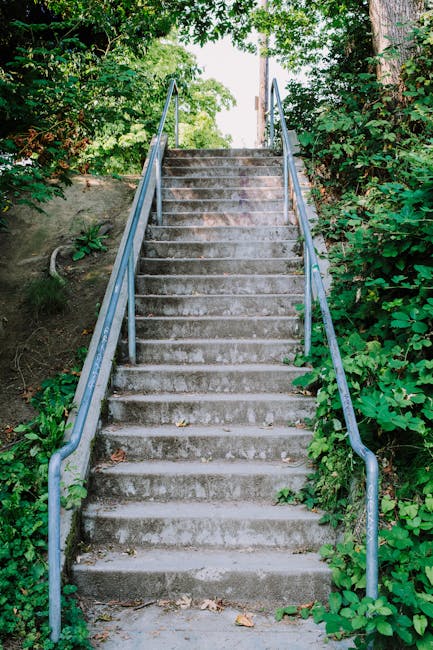
Narrow stairs or no lift? Harold Park bulky item solutions
If you live in a Harold Park flat, maisonette, or older house with awkward access, you already know the problem: the item itself may be manageable, but the staircase, hallway bend, or missing lift turns everything into a puzzle. That is exactly where Narrow stairs or no lift? Harold Park bulky item solutions come in. The right approach can mean the difference between a smooth move and a stressful afternoon with a sofa wedged halfway up the landing. Not ideal, obviously.
This guide explains how bulky item moves work in practical terms, what to check before you book, how professionals handle tight access, and which mistakes usually cause damage or delay. It also gives you a realistic way to decide whether you need a full removal team, a man and van service, or a specialist approach for heavy furniture, pianos, mattresses, appliances, and other awkward loads. If you are planning ahead, you may also find our advice on smart packing habits for moving day helpful alongside the access planning in this article.
In Harold Park, that matters more than people think. A short flight of stairs can be harder than a long one if the corners are tight, the railings are fixed, or the item has to be tilted precisely to clear the banister. Let's face it, bulky item moves are rarely about brute strength alone. They are about preparation, angles, timing, and calm handling.
Table of Contents
- Why Narrow stairs or no lift? Harold Park bulky item solutions Matters
- How Narrow stairs or no lift? Harold Park bulky item solutions Works
- Key Benefits and Practical Advantages
- Who This Is For and When It Makes Sense
- Step-by-Step Guidance
- Expert Tips for Better Results
- Common Mistakes to Avoid
- Tools, Resources and Recommendations
- Law, Compliance, Standards, or Best Practice
- Options, Methods, or Comparison Table
- Case Study or Real-World Example
- Practical Checklist
- Conclusion
- Frequently Asked Questions
Why Narrow stairs or no lift? Harold Park bulky item solutions Matters
Bulky item moves are not just a "bigger version" of carrying boxes. A single sofa, bed frame, washing machine, sideboard, or piano can become the most complicated part of a move. Narrow stairs, low ceilings, sharp turns, shared entrances, and no lift all raise the risk of scraped walls, damaged furniture, dropped items, and injuries. That is why access planning matters so much.
Harold Park has its fair share of flats and homes where the access is perfectly fine for daily life but awkward for moving day. You may know the staircase is narrow; what is easy to forget is how much space a mattress, wardrobe, or fridge actually needs when it is being carried at an angle. One missed measurement can mean extra labour, unnecessary stress, or a delay while everyone stands in the hallway trying to work out Plan B.
There is also the safety side. Heavy lifting without the right method can strain backs, pinch fingers, and leave movers exhausted before the important part of the day has even started. If you want a deeper look at safe handling technique, the independent guide to heavy lifting is a useful companion read. It helps explain why lifting smart is more important than lifting fast.
Another reason it matters is cost control. When bulky access is not assessed properly, the move may take longer than expected, require extra staff, or force a second attempt. That is frustrating for everyone. A bit of planning tends to save more money than people expect, even if it feels like overkill at first. Truth be told, it rarely is.
How Narrow stairs or no lift? Harold Park bulky item solutions Works
The process is usually simpler than people fear, but it does depend on the right sequence. The main idea is to assess the item, assess the route, choose the right equipment, and then move with control. In practical terms, that means measuring, protecting, lifting, and communicating clearly.
A professional bulky item solution for a tight Harold Park property normally begins with an access check. This does not need to be complicated. Someone looks at the item dimensions, the stair width, any turns or landings, ceiling height, door frames, and whether the item can be lifted vertically, horizontally, or only in pieces. For modular furniture, disassembly may be the safest and fastest route. For items like mattresses or sofas, wrapping and angling are often the answer.
Teams often use protective materials such as blankets, straps, shrink wrap, and corner guards. These are not just about looking neat. They reduce friction, stop scuffs, and make the item easier to control. If you are moving furniture that will be stored or transported afterwards, a little extra protection now prevents a lot of regret later. For example, if you are storing a sofa after the move, our sofa storage and care tips explain why wrapping and keeping fabric clean really pays off.
Then comes the route strategy. Sometimes the item is carried forwards. Sometimes it has to go sideways. Sometimes it needs a slow pivot on a landing, with one person guiding from below and another steadying from above. This is where experience matters, because the right move is rarely the obvious one. A good team reads the space in real time and adjusts before something gets stuck.
Finally, the item is loaded into the vehicle in a way that keeps weight balanced and prevents movement during transport. Bulky items are not just heavy; they are awkward, which is a different problem altogether. A mattress can catch the wind if carried outside. A cabinet can shift if not wedged correctly. A piano, well, that is in a category of its own and usually deserves specialist handling. If that is your situation, piano removals in Harold Park are worth considering rather than improvising with a couple of strong arms and good intentions. Good intentions are lovely. They do not protect an upright piano.
Key Benefits and Practical Advantages
The biggest benefit is straightforward: you reduce risk. Risk to the item, risk to the property, and risk to the people doing the lifting. That alone justifies proper planning for most bulky moves in Harold Park.
- Less damage to walls and stairs: Careful handling keeps paintwork, banisters, and tight corners intact.
- Lower chance of injury: Proper lifting technique and equipment help avoid strain.
- Faster moving day: A planned route is usually quicker than repeated trial and error.
- Better protection for valuable items: Sofas, wardrobes, appliances, and beds stay in better condition.
- Less disruption for neighbours: Quiet, efficient handling is kinder in shared buildings.
- More accurate quotes: Good access information helps avoid surprises later.
There is another practical advantage people sometimes overlook: peace of mind. Moving day is noisy enough already. The sound of feet on stairs, wrapping rustling, and that small, tense silence before a turn is taken - you know the one - can make anyone feel a bit on edge. When the bulky items are managed properly, the whole day feels more under control.
Expert summary: If the item is large, fragile, or oddly shaped, the safest and most efficient solution is usually the one that starts with measurements, ends with proper protection, and does not rely on guesswork in the stairwell.
That approach also pairs well with broader moving support. If you are moving a whole property rather than a single item, you may want to read how to embrace a stress-free approach to house moving and expert decluttering tips for a stress-free move. Fewer items generally means fewer access headaches. Simple, but very effective.
Who This Is For and When It Makes Sense
This kind of solution suits a wide range of people, and not just those living in upper-floor flats. You might need it if:
- your building has no lift at all;
- the stairs are narrow or sharply turning;
- you have bulky furniture that cannot be carried safely without assistance;
- you are moving into or out of a top-floor flat;
- you need to move one large item rather than a full van load;
- you are a student with tight access and little storage space;
- you have a deadline and need a same-day response;
- you are relocating from a maisonette, converted house, or period property with awkward access.
In Harold Park, this comes up often with flat moves and partial removals. If that is your situation, it may be worth looking at flat removals in Harold Park or the broader removals support in Harold Park, depending on how much you need shifted.
It also makes sense when the item is simply too awkward to manage with friends and family. Everyone has a mate who says, "Yeah, I can help lift that," but once the sofa meets the stairwell bend, the optimism fades very quickly. No shame in that. It is just one of those jobs where professional handling is often the sensible choice.
For students moving into compact spaces, the same logic applies. Tight hallways, shared entrances, and limited parking can make everything feel a bit compressed. If you are in that position, student removals in Harold Park can be a better fit than trying to squeeze a big item through an awkward route on your own.
Step-by-Step Guidance
- Measure the item properly. Measure width, height, and depth, and do not forget protruding parts like handles or legs. A wardrobe that looks manageable from the front can become a nightmare once you notice the top moulding.
- Measure the route. Check doors, stair width, landings, ceiling height, and any awkward corners. If possible, photograph the route so you can review it calmly later.
- Decide whether the item needs dismantling. Beds, tables, shelving, and some wardrobes often move better in sections. If you are moving a bed specifically, this guide on moving a bed and mattress safely is a good place to start.
- Clear the path. Remove rugs, shoes, boxes, loose plant pots, and anything else that may catch feet or snag the load.
- Protect walls and corners. Use covers or padding where the item could brush against paintwork. A tiny scuff on a fresh wall can be strangely annoying. Tiny, but maddening.
- Wrap and secure the item. Blankets, straps, and stretch wrap help stabilise the load and protect surfaces.
- Assign roles before lifting. One person leads, one follows, and one calls out hazards if needed. Clear instructions are better than everyone talking at once.
- Move slowly through the tightest point. Pause before landings and corners. Rushing is usually what causes the scrape.
- Load the van safely. Balance weight against the side wall, brace the item, and stop movement during transit.
- Check the destination access too. People often only plan the pick-up side. The drop-off side can be just as awkward.
That process sounds formal on paper, but on the day it is often a series of small, sensible decisions. Measure. Pause. Tilt slightly. Reassess. Move again. Nothing glamorous, yet it works.
Expert Tips for Better Results
Here are the small things that make a big difference, especially when the staircase is narrow and the item is bulky enough to make everyone go quiet for a second.
- Measure the widest part, not the easiest part. The item may fit at an angle, but only if the true dimensions are known.
- Take the bannister into account. Many stair moves fail because the rail takes up just enough space to be annoying.
- Take doors off if needed. It sounds drastic, but it can save time and protect the frame.
- Move early in the day if possible. A calmer building, better parking chances, and less foot traffic all help.
- Use gloves with grip. They improve control and reduce strain on hands.
- Keep one person outside the lifting line. That extra spotter is often the difference between smooth and chaotic.
- Do not overwrap delicate items. Protection is good; trapping moisture against fabric or wood is not.
One more thing: plan for the weather. Rain makes steps slippery, and winter mornings can be a bit grim when you are carrying a long, awkward item outside. A damp stairwell and a heavy load are not a lovely combination, to be fair.
If you want more on handling awkward loads in a safer way, our guide to heavy lifting and the evolution of kinetic lifting both add useful context around technique and body mechanics. They are not about showing off. They are about moving with less strain.
Common Mistakes to Avoid
Most bulky-item problems come from predictable errors. Once you have seen a few, they become painfully familiar.
- Guessing measurements. "It'll probably fit" is not a plan.
- Forgetting to check the destination. A delivery into a ground-floor property is one thing; the return trip up three flights is another.
- Trying to muscle through a tight corner. That usually ends with a stuck item and a frustrated team.
- Skipping protection. Unwrapped corners and bare walls do not mix well.
- Overestimating DIY capacity. A few friends can help, but heavy furniture and stairs are a proper test.
- Leaving the route cluttered. One box in the wrong place can throw off the whole movement.
- Not checking whether the item can be dismantled. This is a classic oversight and it makes the job harder than necessary.
A surprisingly common one is assuming that because the item moved in once, it will move out just as easily. Sometimes yes. Often no. Furniture can be harder to remove than install because the angle changes, the item has shifted over time, or the route now includes extra items around it. Funny, really, how the same staircase can feel narrower on moving day.
Tools, Resources and Recommendations
You do not need a warehouse full of kit, but a few practical tools make bulky item moves much safer and less stressful.
| Tool or resource | What it helps with | Best use case |
|---|---|---|
| Measuring tape | Checks item and route dimensions | Before booking or dismantling |
| Furniture blankets | Protects surfaces and paintwork | Sofas, wardrobes, tables, cabinets |
| Moving straps | Improves grip and load control | Heavy or uneven items |
| Stretch wrap | Keeps drawers, doors, and loose parts secure | Appliances and wooden furniture |
| Corner protectors | Reduces wall damage | Narrow stairwells and hallways |
| Protective gloves | Improves grip and reduces hand strain | Any manual move |
| Dismantling tools | Removes legs, frames, and fixings | Beds, tables, wardrobes |
For a fuller picture of what support services can be useful around a move, have a look at the services overview and furniture removals in Harold Park. Those pages help place bulky-item handling in the wider moving picture.
If your item needs temporary holding space because access, timing, or renovation work is getting in the way, storage in Harold Park may be the practical bridge between the old place and the new one. That is often the calmer option when move-out and move-in dates refuse to line up neatly.
Law, Compliance, Standards, or Best Practice
This topic is not usually about complex regulation, but there are still sensible UK best-practice points to follow. Movers and customers alike should think about health and safety, safe lifting, and property care. In shared buildings, you also need to be considerate about communal areas, fire exits, and noise. None of that is glamorous, yet it matters.
In practical terms, good practice means clear communication, risk assessment where appropriate, and avoiding lifting methods that put people at risk. If a job looks unsafe, it should be slowed down, re-planned, or split into smaller parts. That is not hesitation; that is professionalism. A tidy move is great. A safe move is better.
It is also wise to keep insurance and liability in mind. If you are hiring help, ask how the item will be protected in transit and whether any damage process is in place. You do not need a legal lecture on moving day, just clear answers and sensible handling. For more on this, insurance and safety guidance is a sensible read.
Where access is tight in flats or shared properties, best practice also includes respecting common areas and avoiding unnecessary obstruction. If your move is particularly urgent, same-day removals in Harold Park can sometimes be the right fallback, provided access details are shared early.
Options, Methods, or Comparison Table
There is no single best method for every bulky item. The right choice depends on the item, the access, and how much handling risk you are willing to accept.
| Method | Best for | Pros | Trade-offs |
|---|---|---|---|
| DIY with friends | Small-to-medium items, easy stairs | Low direct cost, flexible timing | Higher risk of damage or injury; often slower than expected |
| Man and van support | Single bulky items, short moves, mixed loads | Practical, efficient, often good value | May still need access checks and preparation |
| Specialist bulky-item handling | Pianos, oversized wardrobes, awkward stair routes | Best control and protection | Can cost more, but usually justified by risk reduction |
| Storage-first approach | When timing or access does not line up | Reduces pressure on move day | Requires an extra step and a second move |
If you are weighing up service style, you might also compare man with a van in Harold Park against man and van support or a broader removal service. The names are similar, but the practical fit can be different depending on how much lifting is involved and how awkward the access is.
Case Study or Real-World Example
Imagine a first-floor Harold Park flat with a narrow staircase, a sofa bed, and a fridge freezer that needs to be removed before a tenancy ends. The staircase turns sharply halfway up, and the hall at the bottom has barely enough room to stand one person aside, let alone swing a bulky item around. A DIY attempt would likely start with confidence and end with someone saying, "Hang on, let's just tilt it a bit more," which is often the point where the trouble begins.
A better approach would look like this: measure the sofa and fridge, measure the stairwell, decide whether the sofa bed can be split, protect the walls, wrap the corners, and move the smaller item first so the route is clear. If the fridge freezer needs careful handling, especially before storage or a delayed handover, the freezer storage guide offers useful reminders on keeping appliances in good condition during transition periods.
In this kind of scenario, what looks like a complicated move often becomes manageable once the route is treated as the main challenge, not the item itself. That shift in thinking matters. The job stops being "How do we force this through?" and becomes "How do we move it safely with the space we actually have?" Much calmer. Much better.
For a similar real-world moving context, packing small flats on Romford High St shows how compact properties create their own moving rhythm. And if your move involves nearby local streets or a change across the area, moving near Raphael Park and moving to Gidea Park are useful local reads.
Practical Checklist
Before moving any bulky item through narrow stairs or a building without a lift, run through this checklist.
- Measure the item accurately, including handles, legs, and protrusions.
- Measure the stairwell, landings, doors, and ceiling height.
- Check whether the item can be dismantled safely.
- Clear the route at both the pickup and delivery addresses.
- Protect walls, corners, and floors where contact is likely.
- Wrap the item using suitable protective materials.
- Confirm who is lifting, guiding, and spotting.
- Decide whether a van, storage, or extra help is needed.
- Keep children, pets, and bystanders away from the lifting path.
- Review the plan again before the first lift.
Quick takeaway: The best bulky item solution is usually the one that plans for the stairs before the lifting starts, not after someone is already half way up them.
Conclusion
Narrow stairs or no lift? It is a very common Harold Park moving challenge, but it does not need to become a disaster. With the right measurements, the right equipment, and a calm method, bulky items can be handled safely and efficiently. That applies whether you are moving one heavy wardrobe, an awkward sofa, or the sort of appliance that makes everyone stand back and think twice.
The big idea is simple: do not treat access as an afterthought. Treat it as the plan. Once you do that, the whole move gets easier to manage, the risk drops, and the day feels far less like a battle. And that, honestly, is what most people want.
If you are still weighing up options, check the service pages and planning resources above, then choose the route that gives you the best mix of safety, speed, and peace of mind. Sometimes the smartest move is the one that looks a little cautious on paper.
Get a free quote today and see how much you can save.
Frequently Asked Questions
Can bulky items really be moved up narrow stairs safely?
Yes, often they can, but only if the item and the route are assessed properly first. The key is knowing the measurements, protecting surfaces, and using the right lifting method rather than forcing it.
What bulky items are hardest to move in Harold Park flats?
Sofas, wardrobes, beds, mattress sets, fridge freezers, and pianos are usually the most awkward. The item's shape matters as much as its weight, which is why tight stair routes can be such a headache.
Do I need to dismantle furniture before a move?
Not always, but it is often the safest choice for beds, tables, shelving, and large wardrobes. Dismantling can make an item easier to angle through stairs and doorways.
What if there is no lift at all?
No lift does not automatically mean a move is impossible. It just means the route needs more care, better planning, and sometimes extra hands or specialist handling for particularly large items.
How do I know if my sofa will fit through the stairs?
Measure the sofa at its widest points and compare that to the narrowest parts of the route, including turns and landings. In many cases, the angle matters more than the straight-line width.
Is it cheaper to move one bulky item than a full house?
Usually yes, but not always by as much as people expect. Difficult access, specialist handling, and extra protection can affect the cost more than the number of items alone.
Can I move a fridge freezer up stairs myself?
You might be able to with help, but it is one of the riskier items to move because of weight, balance, and the chance of damage. If the stairs are narrow or steep, professional help is usually the safer call.
What should I do before movers arrive?
Clear the path, measure the item, remove obstacles, and make sure the item is ready to go. If possible, have doors opened and any dismantling completed beforehand so the team can work efficiently.
Are same-day bulky item removals possible in Harold Park?
Sometimes, yes. It depends on availability, the size of the item, and how clear the access information is. If the move is urgent, it helps to share route details early so the job can be planned properly.
How can I reduce the chance of damage to walls and banisters?
Use padding, keep the item wrapped, move slowly around corners, and assign someone to guide the route. Most damage happens when people rush the turn or underestimate the clearance.
What if my bulky item is also fragile?
That is exactly when the packing and handling need extra care. Fragile bulky items should be wrapped securely, handled with fewer handovers, and kept stable in the vehicle. It is a bit of a balancing act, but very manageable with the right approach.
Is a man and van service enough for bulky items with tricky access?
Sometimes it is, especially for one or two large items. For very heavy, valuable, or awkwardly shaped items, it may be better to choose a more specialist removal option with clearer handling support.
What is the most overlooked part of a bulky item move?
The destination access. People often focus on getting the item out of the old property and forget to check the stairs, hallway, and door frames at the new one. That is where surprises creep in.
Moving bulky items through narrow stairs or a building with no lift is rarely glamorous, but with a calm plan it is absolutely manageable. A bit of care now saves a lot of hassle later, and that is usually the best kind of moving-day win.