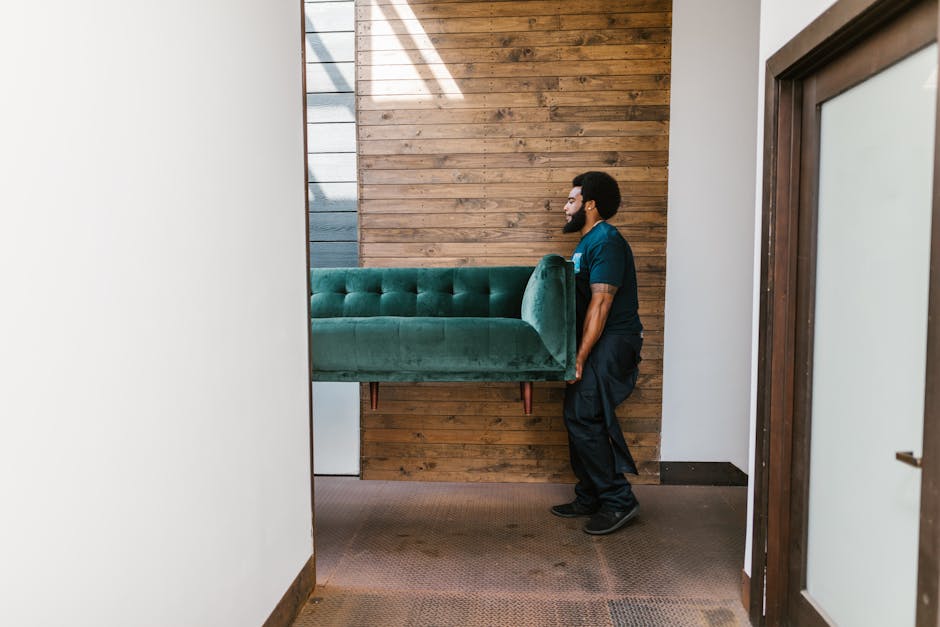
Man with van Harold Park tips for Raphael Park furniture moves

If you are planning a furniture move between Harold Park and Raphael Park, you probably want two things: less stress and fewer surprises. Fair enough. A man with van Harold Park service can be a smart fit for this kind of local job, especially when you only need a careful pair of hands, a suitable vehicle, and someone who knows the area well enough to avoid the usual little hold-ups.
This guide brings together practical man with van Harold Park tips for Raphael Park furniture moves, from access checks and packing habits to parking, protection, and choosing the right service level. If you are shifting a sofa across town, clearing a room after an upgrade, or moving a few key pieces into a new place, the details matter more than people think. One loose screw, one awkward staircase, one missed parking space... and the whole day feels longer than it should.
Below, you will find a clear walkthrough of what the move involves, how to prepare, what to watch out for, and which options make the most sense for different types of furniture jobs around Harold Park and Raphael Park.
Why Man with van Harold Park tips for Raphael Park furniture moves Matters
Furniture moves look simple until you are actually standing there with a wardrobe that will not turn the corner, a sofa that brushes the wall, and a driveway that is half blocked by cars. Around Harold Park and Raphael Park, local access can be the difference between a smooth hour and a frustrating afternoon. That is why a local-focused approach matters.
Harold Park and the wider Romford area can bring a mix of residential streets, tighter parking, and the usual UK moving-day realities: neighbours coming and going, limited loading space, and the occasional "just one minute" obstacle that turns into ten. A man with van setup is useful because it is flexible. You are not paying for a huge vehicle when you only need moderate capacity, and you are not trying to squeeze bulky furniture into a car boot like a bad idea from a Saturday morning sitcom.
For furniture moves in particular, timing and handling matter. A dining table top can scratch easily, drawers can slide open, and heavy items can strain backs if they are not lifted properly. In our experience, the best moves are the boring ones. The ones where the route is checked, the furniture is wrapped, and the van arrives with a plan already in place.
There is also a practical money angle. Poor preparation often costs more than people expect, even if the quote itself looked fine at first. A delay because the van cannot stop nearby, an extra trip because the load was misjudged, or damage because the item was not secured properly can all turn a simple furniture move into a messy one. So yes, the tips matter. More than most people realise.
How Man with van Harold Park tips for Raphael Park furniture moves Works
The basic model is straightforward. You book a man with van service, explain what furniture needs moving, confirm access details, and agree a vehicle size and time slot. On moving day, the driver or mover arrives with the van, helps load the items, transports them, and unloads them at the destination. Simple on paper. Real life, not always so simple.
For local furniture moves between Harold Park and Raphael Park, the service often works best when you treat it as a short, carefully managed logistics job rather than a generic lift-and-shift. That means measuring the items, checking doorways, noting stairs or lifts, and thinking through parking at both ends. If you are moving a bed frame, for example, it may need dismantling before pickup and reassembly on arrival. If it is a cabinet or sideboard, you may need blankets or wrapping to keep edges safe.
Many local customers also use a man and van service for single-item or partial-room moves. That is one reason it is so popular. You can move a sofa, chest of drawers, mattress, or a few dining chairs without booking a full household removal. It gives you a middle ground between doing it all yourself and hiring a larger removal team.
It helps to think in three stages:
- Before the move: measure, sort, label, and clear routes.
- During the move: load safely, protect surfaces, and secure items in the van.
- After the move: check for damage, place items where you want them, and rebuild what needs rebuilding.
A good local mover will usually be comfortable adjusting to the realities of your property, whether that means a terraced house, flat, ground-floor apartment, or a home with narrow internal stairs. That flexibility is the real value.
Key Benefits and Practical Advantages
Using a man with van service for Raphael Park furniture moves brings a few clear advantages, especially when the job is too much for a car but does not need a full removal truck. The first is flexibility. You can book around your schedule, move fewer items, and often keep the job focused and efficient.
The second is convenience. You do not need to recruit friends with questionable lifting technique and a van that smells faintly of petrol and old takeaway. You get someone who does this for a living, which usually means better loading, better handling, and less chance of panic halfway through the move.
The third is local awareness. A mover who knows Harold Park, Raphael Park, and nearby roads is better placed to plan timing, parking, and access. That does not guarantee perfection, of course. Traffic exists. Weather exists. A neighbour can still decide that today is the day to park right outside your gate. But local familiarity helps a lot.
Other practical benefits include:
- Cost control: pay for a smaller, more targeted service when that is all you need.
- Less heavy lifting for you: a big relief if you are moving alone, with children around, or after work.
- Better protection for furniture: blankets, straps, and careful stacking reduce the risk of scuffs and impact damage.
- Faster completion: an organised local move can often be done in one tidy run.
- Lower stress: which is not a small thing when you are juggling keys, paperwork, and the kettle on and off.
Expert summary: the best furniture moves are usually not the biggest ones, they are the best-prepared ones. Measure first, book realistically, and keep the move focused. That one habit saves more headaches than most people expect.
Who This Is For and When It Makes Sense
Man with van Harold Park tips for Raphael Park furniture moves are especially useful if you are dealing with a small-to-medium load and want an efficient local solution. It suits a lot of real-life situations, not just one kind of customer.
You might be the right fit if you are:
- moving a few items between homes rather than a whole house
- sending furniture to storage or collecting it from a seller
- upgrading a room and need old items removed carefully
- helping a relative relocate, and the bigger removal option feels excessive
- moving into a flat where access is awkward and a smaller van makes more sense
- dealing with one heavy or awkward item like a sofa, bed, wardrobe, or sideboard
It also makes sense if timing matters. Maybe you have a narrow move window, or you need furniture delivered before new flooring goes down. Maybe you are replacing a bed and cannot afford to sleep on the floor, which, let's be honest, sounds less romantic after night one.
This kind of service is not always the right choice if you have a full property packed with boxes, appliances, and large furniture for multiple rooms. In that case, a larger removal service may suit you better. But for targeted furniture moves, the man and van model is often the sweet spot.
One useful rule of thumb: if your move would fit into a practical van load with careful stacking, and you are mostly moving furniture rather than a full household, you are probably in the right zone.
Step-by-Step Guidance
If you want the move to go well, a little structure goes a long way. Here is a practical step-by-step approach for furniture moves between Harold Park and Raphael Park.
1. Make a furniture list
Write down every item that needs moving, including approximate size and whether it can be dismantled. Add notes like "glass top," "heavy oak," or "fragile mirror" so nothing gets forgotten. This sounds basic, but it helps when the mover needs to estimate space and time.
2. Measure key access points
Measure doorways, stair turns, lifts, hallways, and the furniture itself. If a wardrobe is 190cm tall and the stairwell has a sharp turn, that matters. A tape measure now is better than a stuck wardrobe later.
3. Check parking and loading access
Look at both addresses and think about where the van can stop. Is there space directly outside? Is there a narrow street? Are there parking restrictions at certain times? Even a few extra metres can change the ease of the whole job.
4. Decide what should be dismantled
Bed frames, large tables, shelving, and some wardrobes are easier to move when partly dismantled. Keep screws, bolts, and fittings in labelled bags. Tape them to the correct item if needed, or you will be hunting for them later while muttering under your breath.
5. Protect surfaces and fragile parts
Use furniture blankets, cardboard corners, bubble wrap for delicate sections, and stretch wrap where appropriate. Protect mirrors, polished wood, and glass carefully. Do not let items bang against each other in the van.
6. Load in the right order
Heavier, sturdier items usually go in first and against the van wall. Lighter or more delicate pieces can then be loaded around them. Soft items and blankets can help fill gaps so things do not shift in transit.
7. Confirm the unloading plan
Decide where each item should go at the destination before the van arrives. If you know the sofa is going straight into the front room and the wardrobe is heading upstairs, say so early. It saves time and back-and-forth.
8. Inspect items at the end
Once unloading is done, check the furniture before the mover leaves. Look for marks, loose fittings, or anything that needs a second look. A calm five-minute check is much easier than remembering later that a table leg was not quite right.
Truth be told, this whole process is mostly about reducing friction. Not drama. Just friction. And furniture moves collect friction if you let them.
Expert Tips for Better Results
There are a few habits that make a noticeable difference, especially for local moves around Raphael Park and Harold Park where access may be tight but the journey itself is short.
First, do not overfill the van booking. If you know the job involves several heavy pieces, say so. A realistic estimate is better than cramming everything in and hoping for the best. The "we'll make it fit somehow" approach has a heroic reputation it does not really deserve.
Second, treat delicate furniture like it is already half-damaged. That sounds harsh, but the mindset helps. Wrap it properly, secure it properly, and keep it away from sharp edges. If you have ever seen a polished cabinet pick up a tiny gouge from one careless bump, you know how annoying that is.
Third, plan the move for quieter times if possible. Early starts can be helpful because streets are often clearer, access is easier, and everyone is a bit less frazzled. A 7:30 a.m. move may not be glamorous, but it can feel pleasantly efficient when the road is still half-asleep.
Fourth, use colour-coded labels if more than one room is involved. Not because it is fancy, just because it avoids confusion. Blue for bedroom, green for lounge, red for storage. Simple. Effective.
Fifth, keep a small essentials box with you. This should include keys, phone charger, tape, scissors, a cloth, and any important hardware bags. You do not want the first evening in the new place ruined by not being able to find a screwdriver.
Sixth, ask about protection and handling before booking. Some moves need extra care for stairs, white walls, or freshly painted rooms. A quick conversation about blankets, straps, and item handling can save a lot of grief later.
If you are trying to decide between two options, one with better communication usually wins. Not always the flashiest provider, just the one who asks sensible questions. That is often a good sign.
Common Mistakes to Avoid
Most furniture move problems are avoidable. That is the slightly annoying part. Usually, it is not bad luck. It is missed details.
- Not measuring the furniture: people assume a sofa will fit where a sofa used to fit. Sometimes yes, sometimes absolutely not.
- Ignoring stair turns and tight corners: these are the places where good intentions meet the laws of physics.
- Forgetting parking restrictions: a van that cannot stop nearby means longer carry distances and more time.
- Packing loose items into the load: small things roll, slide, and get crushed very easily.
- Not dismantling bulky pieces: forcing a large bed frame through a narrow hallway is a shortcut to stress.
- Overestimating what can be done in one lift: heavy items need proper technique and sometimes two people.
- Leaving booking details vague: if the mover does not know about stairs, parking or fragile items, the estimate may be off.
One common mistake is leaving all the sorting until the van arrives. That sounds efficient in theory. In practice, it means everybody stands around while you untangle cables, remove drawers, and remember which screws belong to which shelf. Better to do that bit earlier.
Another one: not checking the route into the property. A front door may open wide, but the hallway beyond it can still be a tight squeeze. Always check the route, not just the endpoint.
Tools, Resources and Recommendations
You do not need a warehouse full of gear to move furniture well. A few sensible tools make a huge difference, though.
- Measuring tape: for furniture dimensions and access points.
- Furniture blankets: for protecting wooden, painted, and polished surfaces.
- Stretch wrap: useful for keeping drawers, cushions, and doors secure.
- Strong tape and labels: for hardware bags and room tags.
- Work gloves: to help with grip and reduce knocks.
- Trolley or sack truck: helpful for heavier pieces where access allows.
- Step stool or basic tools: useful for dismantling and reassembly where needed.
On the planning side, it helps to use service pages and policy pages that explain how a provider handles things like pricing, security, and safety. For example, if you want to understand the business side of booking, see pricing and quotes. If the move includes a larger set of household items, home moves may be closer to what you need. And if the job is really just a few pieces of furniture, furniture pick-up is often a better fit than a broader removal package.
For reassurance around handling and safeguarding belongings, the service information on insurance and safety is worth reading carefully. If you are moving items as part of a business relocation rather than a home shift, then commercial moves can help you compare the right approach.
If you like to compare options before you book, a bit of research goes a long way. That is not overthinking. It is just sensible.
Law, Compliance, Standards, or Best Practice
Furniture moves are not usually complicated from a legal point of view, but there are still sensible UK best practices to keep in mind. Parking rules, loading restrictions, access rights, and property responsibilities can all affect the move, especially in busier residential streets around Romford and the surrounding area. If you are using the street outside your home for loading, it is wise to check the local rules in advance rather than assuming it will be fine.
From a safety perspective, manual handling should be taken seriously. Heavy lifting, awkward posture, and twisting with large furniture are common causes of avoidable strain. Good practice means lifting with care, using team lifts where needed, and taking a moment to plan the route before moving the item. No heroics required. Your back will thank you.
It also helps to work with a provider that has clear policies on safety, customer communication, and complaint handling. If you want to understand how a business manages standards and expectations, pages such as health and safety policy and terms and conditions give you a clearer picture. For payment process confidence, payment and security is useful too.
Where environmental responsibility matters to you, it is sensible to look at reuse and disposal choices as well. Furniture that can be reused, repurposed, or responsibly moved on should generally be treated carefully rather than rushed to waste. The page on recycling and sustainability is relevant if you are clearing out items during the move.
In short: keep the move safe, keep the access respectful, and keep the paperwork straight. That is usually enough for a clean, professional job.
Options, Methods, or Comparison Table
If you are deciding how to move furniture around Harold Park and Raphael Park, it helps to compare the most common options side by side. Different jobs suit different setups, and trying to force the wrong one into place usually creates extra work.
| Option | Best for | Strengths | Possible drawbacks |
|---|---|---|---|
| Man with van | Single items, a few furniture pieces, short local moves | Flexible, practical, often cost-efficient | May not suit very large or complex moves |
| Full removal service | Whole-house moves, large loads, multiple rooms | More capacity, more support, more suitable for bigger jobs | Can be more than you need for a small furniture move |
| Self-move with hired vehicle | Confident movers with time and helpers | Maximum control, potentially lower direct cost | More labour, more risk, more planning on you |
| Multiple trips in a personal vehicle | Very small items only | Convenient for tiny loads | Not ideal for bulky furniture or heavy lifting |
For most local furniture jobs, the man with van option lands in the practical middle. It is particularly useful when you want help but do not want to book an oversized service. If you need one sofa, a mattress, and a chest of drawers moved from Harold Park to somewhere near Raphael Park, this method usually makes the most sense.
If your move includes several rooms, a large volume of boxes, or business equipment, then a wider removal service may be worth considering instead. There is no prize for choosing the most complicated option. Pick the one that fits the job.
Case Study or Real-World Example
Here is a realistic local example. A couple in Harold Park needed to move a sofa, a bed frame, two bedside tables, and a heavy bookcase into a property nearer Raphael Park. Nothing enormous, but awkward enough to need proper planning. The sofa was too wide for a tight hallway corner unless it was tilted carefully. The bed frame had to come apart. The bookcase, as usual, looked much lighter than it really was.
They measured each item the day before, checked the stairwell at both addresses, and made a list of the fittings needed for reassembly. They also cleared the route from the lounge to the front door and made sure the van could stop as close as possible. That one decision saved a lot of carry time.
On the day, the move ran in a fairly calm rhythm: wrap, lift, load, secure, transport, unload, reassemble. No drama, no scrambled searching for missing screws, no "where did that bracket go?" moment. There was still a bit of sweat on the forehead by the end, naturally, because furniture is furniture and July mornings can be warm, but the whole thing felt manageable.
The important bit was not luck. It was preparation. They did the obvious things early and avoided the avoidable problems. That is the kind of move you want.
Practical Checklist
Use this checklist before a furniture move between Harold Park and Raphael Park. It keeps the job tight and helps you avoid the most common snags.
- List every furniture item that needs moving.
- Measure each large or awkward item.
- Measure doorways, hallways, stairs, and lifts.
- Check parking and loading access at both addresses.
- Decide which items should be dismantled.
- Label screws, bolts, and fittings clearly.
- Use blankets or wrap for delicate furniture.
- Confirm whether the mover helps with loading and unloading.
- Set aside a clear path from room to van.
- Prepare an unloading plan for the destination.
- Keep essentials, documents, and tools close by.
- Inspect everything before the van leaves.
If you are feeling rushed, pause and check the access again. Seriously. A minute spent confirming the route can prevent an hour of frustration later.
Get a free quote today and see how much you can save.
Conclusion
Man with van Harold Park tips for Raphael Park furniture moves come down to planning, realism, and a bit of local common sense. Keep the job focused, measure properly, check access, and choose the right level of support for the items you are moving. That is how you turn a potentially awkward task into something clean and manageable.
Whether you are shifting one large item or several carefully chosen pieces, the right preparation makes all the difference. You do not need a perfect move. You just need one that is well thought through, safe, and calm enough to leave you breathing easier at the end. And that is absolutely doable.
A good furniture move should feel like progress, not a battle. One sensible step at a time, and you will get there.
Frequently Asked Questions
What is a man with van service for furniture moves?
It is a flexible moving service that provides a van and usually one or more people to help load, transport, and unload furniture. It is ideal for smaller or local moves where a full removal team would be more than you need.
Is a man with van good for moving a sofa or bed?
Yes, very often. Sofas, bed frames, mattresses, and similar items are common jobs for this kind of service, especially when access is straightforward and the furniture can be protected properly.
How do I know if my furniture will fit in the van?
Measure the largest items first and tell the mover the dimensions. If the load includes bulky pieces, mention whether they can be dismantled. A clear list helps the provider choose the right vehicle and plan the stack.
Do I need to dismantle furniture before the move?
Not always, but it often helps. Bed frames, large tables, and some wardrobes move more easily when partly dismantled. If you are unsure, ask the mover which pieces are worth taking apart for safe transport.
How much notice should I give for a local furniture move?
As much as you can, ideally a few days at least if the job is not urgent. If you need a same-day or next-day move, it may still be possible, but availability can be tighter.
What should I do about parking on moving day?
Check whether the van can stop near the property and whether there are any restrictions on the street. If parking is limited, tell the mover early so the route and timing can be planned properly.
Is it cheaper than hiring a full removal company?
For small or medium furniture jobs, it often is. The exact cost depends on distance, access, time, and how much lifting is involved, but the service is usually more cost-efficient for lighter loads.
Can a man with van help with loading and unloading?
Usually yes, though the exact level of help should be confirmed before booking. Some jobs need only transport, while others need full loading support from start to finish.
What if my furniture is fragile or valuable?
Tell the mover in advance and use proper protection such as blankets, wrapping, and careful securing in the van. For very delicate or high-value pieces, extra care and a detailed handling plan are wise.
Are there safety rules I should think about?
Yes. Safe lifting, clear access routes, and sensible packing all matter. It is also worth checking the provider's safety information and terms before you book so you know how they work.
Can I use this service for just one item?
Absolutely. A single sofa, wardrobe, mattress, or dining table is often exactly the sort of job a man with van service suits. It is one of the most practical uses for it, to be fair.
What is the best way to prepare for a furniture move around Raphael Park?
Measure your items, clear the path, check parking, and keep hardware organised. If you do those things before the van arrives, the move tends to feel a lot more straightforward and less rushed.
Should I compare different moving options first?
Yes, especially if you are not moving a full house. Comparing a man with van, a full removal service, and a self-move helps you choose the most sensible option for the amount of furniture you have.